Jan
12
2026

Back discomfort is one of the most common reasons people adjust their daily routines, skip activities they enjoy, or struggle through long workdays. Whether it comes from prolonged sitting, repetitive lifting, or limited movement variety, the spine often reacts to how it’s used—or not used—throughout the day. At Neurosync Physiotherapy & Rehab, many clients from Ajax ask about exercises that support spinal health and day-to-day comfort.
Below are five movement-based exercises commonly used in clinical settings to support the back. They focus on Mobility, control, and muscular support rather than intensity. Always move within a comfortable range and stop if something feels wrong.
The Cat–Cow movement encourages controlled spinal motion. It gently moves the spine through flexion and extension, which can help reduce stiffness linked to long periods of sitting.
How to do it:

This exercise is often used early in a routine because it promotes awareness of spinal movement without loading the joints.
The glute bridge targets the muscles around the hips and pelvis. These muscles play a major role in supporting the lower back during standing, walking, and lifting.
How to do it:

When the hips provide steady support, the lower back often works less during daily movement.
Bird Dog focuses on coordination and trunk control. It challenges the body to stay steady while the arms and legs move, which mirrors real-world activities like reaching or stepping.
How to do it:
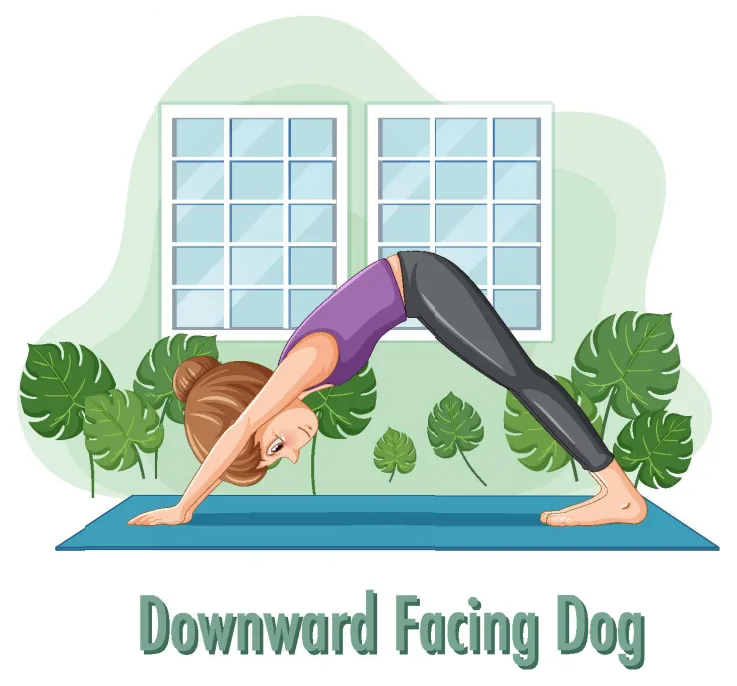
This exercise is commonly used to improve control around the spine without adding external weight.
Limited rotation through the mid-back can cause the lower back to compensate during turning movements. Seated spinal rotation encourages motion where it’s meant to occur.
How to do it:
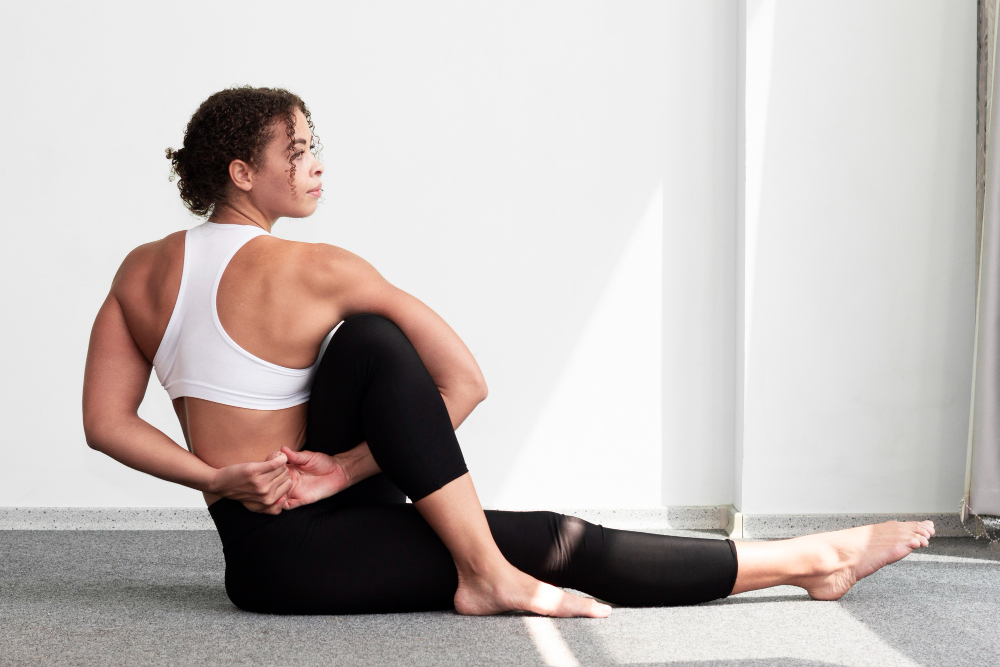
This movement is useful for people who feel stiff when turning to check blind spots or reaching out to the side.
Tight hip flexors can affect pelvic position, potentially increasing strain on the lower back. Stretching this area helps restore balance between the hips and spine.
How to do it:

Consistency with this stretch is often useful for those who sit for extended periods.
Exercises alone are only one part of maintaining a healthy back. How you sit, lift, sleep, and move throughout the day also matters. Many people in Ajax balance desk work with commuting, family responsibilities, and recreational activities, which can add up over time. Short movement breaks, varied positions, and mindful pacing can complement the exercises above.
At Neurosync Physiotherapy & Rehab, exercise selection is often based on how someone moves, which activities matter most to them, and how their body responds over time. While general exercises can be helpful, supervision ensures they are performed correctly and progressed safely.
A resilient back depends on movement quality, consistency, and balance between strength and Mobility. The five exercises above are commonly used to support spinal function and reduce strain during everyday tasks. When practiced regularly and combined with thoughtful daily habits, they can play a meaningful role in keeping the back comfortable and active.
If back concerns continue or interfere with normal routines, a structured assessment can help clarify what the body needs next.
Physiotherapy clinic
Chiropractic clinic
Massage therapy
Myofascial therapy release
WSIB clinic
Motor vehicle accident clinic
Concussion management