Sep
17
2026
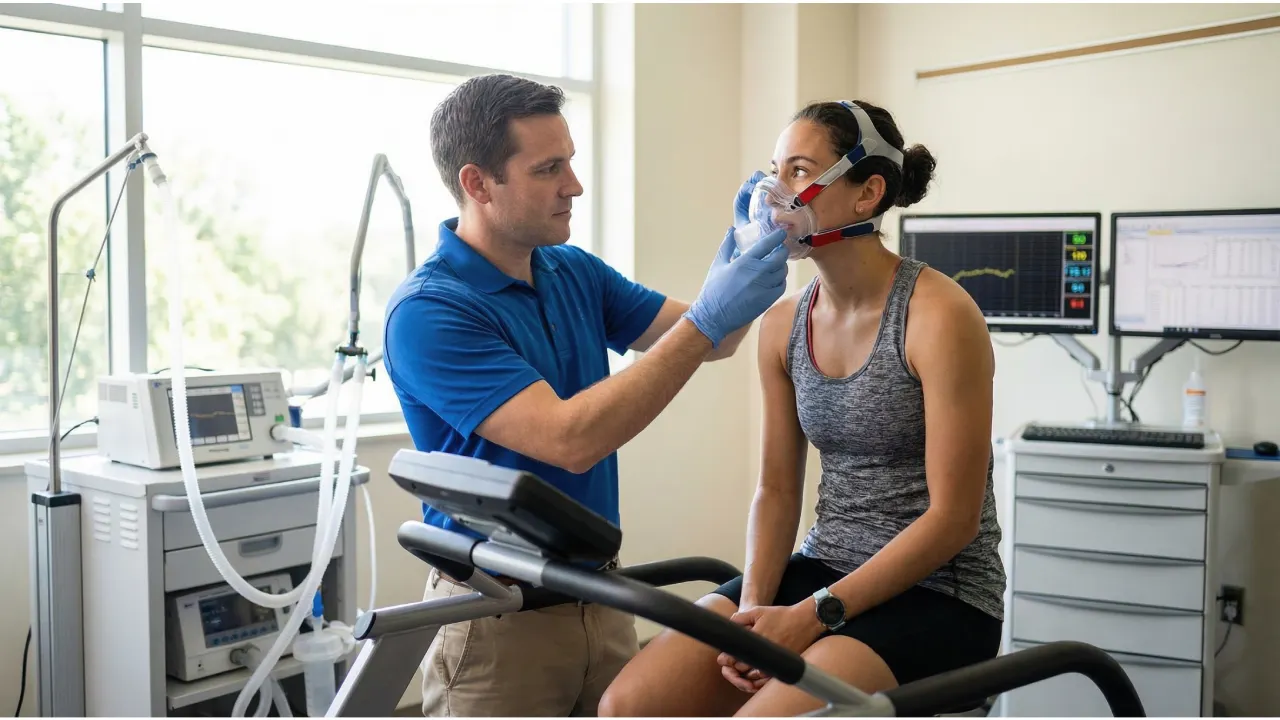
Neurological conditions can affect movement, muscle activation, endurance, balance, and the ability to complete everyday activities. Rehabilitation may include several forms of exercise and movement training based on a person’s condition, abilities, goals, and clinical assessment. One technology used in some rehabilitation settings is the RT300 functional electrical stimulation (FES) cycle.
The RT300 combines motor-assisted cycling with electrical stimulation. Surface electrodes can stimulate selected lower-limb muscles while the cycling system helps produce repetitive leg movement. Research on FES cycling has examined its use among people with spinal cord injury, stroke, multiple sclerosis, and other neurological conditions. Findings vary by condition and study, so the potential role of this approach needs to be considered on an individual basis.
For people attending Neuro Rehab in Ajax, an RT300 session may serve as one component of a broader rehabilitation program. It is not intended to replace other forms of physiotherapy, mobility training, strengthening, balance work, or functional practice.
The RT300 is a functional electrical stimulation cycling system. During a session, a person sits on a stationary cycling unit while electrodes are placed over selected muscles. Electrical stimulation can trigger muscle contractions that contribute to the cycling movement. Depending on the person’s abilities, the motor can also assist the movement when the legs are unable to maintain the required cycling speed.
The system can be adjusted according to factors such as stimulation levels, cycling speed, resistance, and the person’s physical capacity. In a clinical setting, these settings are monitored by the rehabilitation team.
Research involving FES cycling has reported changes in areas such as lower-limb muscle health, aerobic fitness, cycling power, walking measures, and spasticity in certain groups. However, results are not uniform across conditions, and research quality differs between studies.
Repetitive movement is an important part of many neurological rehabilitation programs. When voluntary leg movement is limited, completing repeated cycling motions can provide an opportunity to practice coordinated lower-limb activity.
With FES, electrical stimulation can activate muscles involved in the cycling motion. A motor may assist the movement when the person’s legs cannot generate enough force to keep the pedals moving.
This repeated activity may help create opportunities for practicing leg movement without requiring the person to stand or walk independently throughout the session.
Research involving people with spinal cord injury has found that FES cycling can contribute to improvements in lower-body muscle health, with additional evidence suggesting possible changes in power output and aerobic fitness.
For someone attending Neuro Rehab, this type of repeated movement can be incorporated alongside other activities such as gait training, transfers, strengthening, balance exercises, and functional mobility practice.
Limited mobility can make conventional cardiovascular exercise difficult. A person may have difficulty walking for long periods, standing safely, or using standard exercise equipment.
An RT300 session can provide a seated exercise option in which the legs participate in repeated cycling. Electrical stimulation can activate muscles while the motor assists the cycling action when required.
Research has examined FES cycling as a method of supporting aerobic fitness in people with spinal cord injury and multiple sclerosis. A systematic review involving adults with spinal cord injury found evidence of improvements in muscle health and possible improvements in aerobic fitness and power output.
A systematic review involving people with multiple sclerosis and mobility limitations found that the research was limited in quality, although several studies reported changes in cardiovascular or functional measures.
Therefore, an RT300 session should be viewed as one possible exercise method rather than a guaranteed way to improve cardiovascular fitness.
Some neurological conditions can reduce a person’s ability to voluntarily activate certain muscles. Weakness, impaired motor control, changes in muscle tone, or paralysis can make ordinary cycling difficult.
FES provides electrical stimulation to selected muscles, creating contractions that contribute to the cycling motion. Depending on the person’s clinical presentation, stimulation may be applied to muscle groups such as the quadriceps, hamstrings, and lower-leg muscles.
This can create active muscle contractions even when voluntary control is reduced.
A study involving people with chronic stroke used an RT300 system to stimulate the lower-limb muscles during cycling. Participants completed repeated training sessions, and the study reported increases in pedalling power along with changes in certain walking-related measures.
For a person participating in Neuro Rehab, the ability to combine electrical stimulation with cycling may provide another way to incorporate lower-limb muscle activity into a rehabilitation routine.
Reduced physical activity can contribute to changes in muscle mass and muscle conditioning. This can be particularly relevant for people whose neurological condition limits walking or other forms of regular movement.
FES cycling provides repeated contractions of selected muscles while the legs move through a cycling pattern.
A systematic review involving 92 studies and 999 adults with spinal cord injury found significant improvements in muscle-health measures in several higher-quality studies. The authors concluded that current evidence supports FES cycling for lower-body muscle health in adults with spinal cord injury.
The findings do not mean that every person will experience the same changes. Muscle response can depend on the neurological condition, injury level, remaining motor function, training frequency, stimulation settings, and other clinical factors.
During Neuro Rehab, an RT300 session may therefore be considered when a clinician determines that electrically stimulated cycling fits the person’s rehabilitation needs.
Changes in muscle tone, including spasticity, can occur with several neurological conditions. Increased muscle tone may interfere with movement, positioning, transfers, cycling, or walking.
Research has explored whether FES cycling can influence spasticity. A small study involving people with multiple sclerosis reported short-term reductions in spasticity following FES cycling sessions. A systematic review also identified reports of reduced spasticity following FES cycling, while noting limitations in the available evidence.
These findings should not be interpreted as a guarantee that an RT300 session will reduce muscle tone for every person.
Muscle tone is assessed individually, and the rehabilitation plan may include stretching, positioning, active movement, strengthening, gait activities, and other interventions alongside FES cycling.
For people participating in Neuro Rehab, tracking changes in muscle tone can help the rehabilitation team determine whether an RT300 session is appropriate and how it fits into the wider program.
Cycling does not directly reproduce walking, but repeated lower-limb movement can form one part of a larger mobility program.
People with neurological conditions may work on several movement skills during rehabilitation, including rolling, sitting, standing, transfers, stepping, walking, and endurance. The RT300 may provide seated lower-limb exercise while other sessions focus on these functional activities.
Research in stroke rehabilitation has produced mixed findings. A 2020 systematic review found statistically significant changes in walking and sitting measures, although the authors noted that the clinical relevance was limited. A more recent systematic review reported low-to-moderate quality evidence suggesting that FES cycling may support certain motor-function and activity outcomes during early subacute stroke rehabilitation.
This means the RT300 should not be considered a replacement for walking practice when walking training is appropriate. Instead, it can potentially sit alongside other forms of mobility work.
An RT300 session usually begins with an assessment of the person’s neurological condition, movement abilities, medical considerations, and rehabilitation goals.
Before an RT300 session, the rehabilitation team may review:
This assessment helps determine whether FES cycling is appropriate.
The person is positioned securely on the cycling unit. Proper positioning can help maintain alignment and allow the legs to move through the cycling pattern.
Foot and leg positioning may be adjusted according to the person’s physical abilities and clinical needs.
Surface electrodes are placed over selected muscles. The placement depends on which muscles need stimulation and the cycling pattern being used.
Electrical stimulation intensity is adjusted according to the person’s response and clinical requirements.
The session starts with cycling assistance as required. The motor can help maintain the cycling motion when voluntary movement is limited.
As the person participates, the rehabilitation team can monitor movement, stimulation response, cycling speed, fatigue, comfort, and other relevant signs.
RT300 sessions may be adjusted gradually. Changes can involve cycling duration, stimulation intensity, resistance, cadence, or the level of motor assistance.
Progression should be based on the person’s response rather than simply increasing the workload from one session to the next.
Following the session, the rehabilitation team may review how the person responded. Measures such as cycling duration, stimulation settings, perceived exertion, movement quality, and functional observations can help inform future sessions.
FES cycling has been studied in several neurological populations, including:
The suitability of FES cycling depends on the individual. A person may need an assessment before participating, particularly when there are concerns involving skin integrity, joint limitations, cardiovascular status, implanted devices, uncontrolled medical conditions, or other clinical factors.
Research in multiple sclerosis suggests that FES cycling can be feasible for people with significant mobility impairment, although available studies are generally small and further research is needed.
No. RT300 is not automatically suitable for every person or every neurological diagnosis.
Several factors need to be considered before using FES cycling. These may include the ability of the peripheral nerves and muscles to respond to stimulation, joint range, skin condition, sensation, positioning, cardiovascular status, and the person’s overall medical situation.
An assessment by a qualified rehabilitation professional can help determine whether FES cycling is appropriate.
It is also important to recognize that research findings differ across neurological conditions. Evidence in spinal cord injury is relatively substantial, while evidence in multiple sclerosis and stroke has limitations in study size, study design, or outcome consistency.
An RT300 session works as one component rather than a complete rehabilitation program.
Depending on the person’s needs, sessions may also include:
The aim is to connect exercise activities with practical movement goals. For example, someone may participate in seated FES cycling and then work on standing, stepping, or walking activities when clinically appropriate.
At Neuro Rehab, the RT300 can therefore be considered alongside other physiotherapy approaches rather than as a standalone intervention.
An RT300 session is generally structured around the person’s ability and response to stimulation. Some people may actively contribute to the cycling motion, while others may require more assistance from the motor.
The sensation of electrical stimulation can vary. Some people may notice muscle contractions, tingling, or rhythmic movement as the stimulation is applied. Stimulation levels can be adjusted according to clinical requirements and tolerance.
The session should be monitored throughout. If unusual discomfort, skin irritation, excessive fatigue, dizziness, or another concerning response occurs, the session can be paused while the situation is assessed.
The RT300 is used for functional electrical stimulation cycling. It combines electrical stimulation of selected muscles with cycling movement and can be used as part of neurological rehabilitation for appropriate candidates.
FES cycling does not directly replicate walking. However, research has investigated its relationship with walking measures in stroke and multiple sclerosis populations. Some studies have reported changes in walking-related outcomes, while other studies have found limited or mixed results.
No. FES cycling has also been studied in people with stroke and multiple sclerosis, among other neurological populations. Suitability depends on the person’s clinical presentation rather than diagnosis alone.
Session duration can vary according to the person’s condition, exercise tolerance, rehabilitation goals, and clinical plan. Research studies have used different schedules and durations, so there is no single session length suitable for everyone.
No. RT300 is generally used as one part of a rehabilitation program. Other exercises and functional activities may still be needed to address walking, transfers, balance, strength, coordination, and daily movement.
For people looking for Neuro Rehab in Ajax, an RT300 session may provide an additional way to incorporate repetitive lower-limb movement and electrically stimulated muscle activity into a rehabilitation plan.
At Neurosync Physiotherapy and Rehab, RT300 sessions can be considered in relation to a person’s neurological condition, mobility level, functional goals, and clinical needs. The rehabilitation team can assess whether FES cycling is appropriate and determine how it may fit alongside other physiotherapy activities.
If you are in Ajax and want to learn whether an RT300 session may fit into your rehabilitation plan, contact Neurosync Physiotherapy and Rehab to arrange an assessment and discuss your mobility needs.
Key Takeaway
RT300 functional electrical stimulation cycling provides a way to combine assisted cycling with electrically stimulated muscle contractions. Research has examined potential effects on muscle health, aerobic fitness, cycling power, mobility, and muscle tone across several neurological populations, although findings vary and further research remains important.
For suitable candidates, an RT300 session can be included as one part of a broader rehabilitation program that addresses movement, mobility, strength, endurance, and daily activities. A clinical assessment is important before starting this type of training.
Sources: Research evidence summarized from PubMed-indexed systematic reviews and clinical studies on FES cycling in spinal cord injury, stroke, and multiple sclerosis.
Call Neurosync Physiotherapy and Rehab today to ask about RT300 sessions and neurological rehabilitation in Ajax.
Phone: +1 905-686-8601
Address: 314 Harwood Ave S, Unit 4, Ajax, ON L1S 2J1, Canada