Jun
26
2026

Muscle tightness, reduced flexibility, and ongoing discomfort can gradually interfere with daily activities. Whether you spend hours at a desk, participate in sports, or manage a physically demanding job, your body’s connective tissues can become restricted over time. These restrictions may affect movement, posture, and overall function, making even simple tasks feel more challenging.
Many people try stretching, rest, or exercise changes before seeking additional care. While these methods can help, they may not always address restrictions within the fascia—the connective tissue that surrounds muscles, nerves, and joints. In these situations, myofascialtherapy release may become an option worth discussing with a qualified practitioner.
If you’re in Ajax and looking for ways to improve movement and reduce ongoing muscle tension, Neurosync Physiotherapy and Rehab provides an approach that focuses on restoring mobility and supporting everyday function.
myofascial therapy release is a hands-on treatment that focuses on the fascia, a web of connective tissue that surrounds muscles throughout the body. When fascia becomes tight or restricted due to repetitive movement, injury, poor posture, or inactivity, it may limit movement and contribute to muscle tension.
During treatment, gentle and sustained pressure is applied to targeted areas with the goal of reducing fascial restrictions and allowing tissues to move more freely. Unlike techniques that rely on rapid movements or forceful pressure, this method often emphasizes slow, controlled applications that work with the body’s natural tissue response.
Recognizing early signs of fascial restriction can help prevent movement limitations from becoming more noticeable over time.
Do your muscles continue to feel stiff even after stretching or regular exercise?
If muscle tightness repeatedly returns despite your efforts, fascia may be contributing to the problem. Restricted connective tissue can limit normal muscle movement, making stretching feel less productive.
This is one reason many individuals explore myofascial therapy release as part of their care plan.
Simple movements like reaching overhead, bending forward, or turning your neck should not feel unusually restricted.
When movement gradually becomes limited without a clear explanation, fascial tension may be affecting surrounding muscles and joints.
Long hours at a computer, frequent driving, or repetitive work tasks often contribute to rounded shoulders, neck tension, and lower back stiffness.
These patterns may create continuous strain that affects multiple muscle groups.
Athletes and active individuals frequently place repeated demands on their muscles. Running, cycling, weight training, tennis, and recreational sports may create areas of recurring tightness that return shortly after activity.
Addressing fascial restrictions may support smoother movement between training sessions.
Some people notice that tension shifts from one area to another. Neck tightness may be followed by shoulder discomfort, or hip stiffness may eventually affect the lower back.
Since fascia connects multiple regions of the body, restrictions can sometimes influence nearby structures.
If soreness seems to linger much longer than expected after workouts or recreational activities, tissue restrictions may be contributing to delayed recovery.
Movement efficiency can be affected when muscles cannot glide naturally.
Typing, lifting, gardening, construction work, childcare, and warehouse jobs often involve repeated movement patterns.
Over time, these activities may increase tension within connective tissues.
Although headaches have many possible causes, muscle and fascial tension around the neck and shoulders can sometimes contribute to recurring discomfort.
Addressing soft tissue restrictions may improve overall neck mobility.
Remaining seated for long periods can make standing up feel difficult.
If stiffness improves only after several minutes of movement, fascial restrictions may be limiting normal mobility.
Even after an injury has healed, surrounding tissues may remain restricted.
Scar tissue and changes in movement patterns can continue affecting nearby muscles months or even years later.
People who enjoy staying active often place repeated demands on their muscles and connective tissues. Whether participating in organized sports or weekend recreation, maintaining flexibility and movement quality is important.
Flexible fascia allows muscles to move with fewer restrictions. This may contribute to smoother walking, running, lifting, or reaching.
Joint movement often depends on surrounding soft tissues. When these tissues move freely, everyday activities may feel less restricted.
Busy adults frequently balance work, family, and exercise.
Adding myofascial therapy release to an overall wellness routine may support recovery following physical activity.
Movement efficiency plays a role in many forms of exercise.
When tissues glide more naturally, some individuals notice improved movement quality during workouts.
Stretching targets muscles, while fascial techniques focus on connective tissue.
Together, they may support greater flexibility than stretching alone for some individuals.
Restricted tissues around the chest, shoulders, hips, or lower back can gradually influence posture.
Improving soft tissue mobility may help the body move more naturally throughout the day.
Active adults participating in:
may all experience recurring muscle tightness that affects movement.
Although both treatments involve hands-on techniques, they focus on different tissue responses and treatment goals.
Massage generally targets muscle relaxation using rhythmic strokes and kneading techniques.
myofascial therapy release focuses specifically on fascia and connective tissue restrictions through slower sustained pressure.
Massage often varies from light to deep pressure depending on the treatment style.
Fascial techniques typically use slower applications, allowing tissues time to gradually respond.
Massage commonly focuses on reducing muscle tension and promoting relaxation.
Myofascial treatment aims to improve tissue mobility and movement by addressing fascial restrictions.
Massage techniques usually involve continuous movement across muscles.
Fascial work often maintains pressure on one location for longer periods before moving to another area.
Many practitioners evaluate posture, movement patterns, and flexibility before beginning treatment to determine where restrictions may be affecting mobility.
This approach may be suitable for adults experiencing:
An assessment can help determine whether fascial restrictions are contributing to these concerns.
Treatment often works alongside healthy daily habits.
Some helpful practices include:
Stay Active – Regular movement prevents tissues from remaining in one position for extended periods.
Stretch Consistently – Gentle stretching supports flexibility between treatment sessions.
Stay Hydrated – Connective tissues function more efficiently when the body maintains adequate hydration.
Change Positions Often – If your work involves sitting for long hours, standing and walking every hour can reduce prolonged stiffness.
Include Strength Training – Balanced muscle strength supports posture and movement throughout the body.
Prioritize Recovery – Allowing time between demanding workouts helps tissues adapt to physical activity.
Why Early Attention Matters – Ignoring recurring stiffness may gradually influence movement patterns.
When one area becomes restricted, nearby muscles often compensate. Over time, these changes can affect posture, flexibility, and overall mobility.
Seeking care early allows movement concerns to be evaluated before they become more limiting.
If recurring muscle tightness, reduced flexibility, or movement restrictions are affecting your daily routine, finding a clinic that evaluates the whole movement pattern is important.
At Neurosync Physiotherapy and Rehab in Ajax, the team works with individuals experiencing soft tissue restrictions, sports-related tightness, postural concerns, and movement limitations. Every assessment begins with learning about your goals, activity level, and movement challenges before developing an appropriate care plan.
Most sessions last between 30 and 60 minutes, depending on the areas being addressed and your individual needs.
Yes. Many active adults use myofascial therapy release to address recurring muscle tightness, support mobility, and complement their exercise routines.
No. It is often used alongside stretching, strengthening exercises, and movement programs rather than replacing them.
The number of visits depends on factors such as the duration of tissue restrictions, activity level, and personal goals. Your practitioner can discuss a suitable plan after an assessment.
Yes. People who spend long hours sitting at a desk often develop neck, shoulder, hip, and lower back tightness. This approach may help address connective tissue restrictions associated with prolonged sitting.
If recurring stiffness, limited movement, or muscle tension is making everyday activities more difficult, it may be time to explore whether myofascial therapy release is suitable for your needs.
Neurosync Physiotherapy and Rehab proudly serves Ajax with hands-on care focused on improving mobility, movement quality, and overall physical function. Contact Neurosync Physiotherapy and Rehab today to schedule an assessment and learn how myofascial therapy release may fit into your wellness routine.
Jun
08
2026

Maintaining balance and coordination is something many people take for granted until it becomes difficult. Simple tasks such as walking, climbing stairs, reaching for objects, or getting out of a chair can become more challenging when the body’s ability to control movement is affected. These changes can occur after a neurological condition, injury, Surgery, or other factors that influence how the brain and nervous system communicate with the muscles.
For individuals in Ajax, ON, facing these challenges, neuro rehab may play an important role in improving Mobility and daily functioning. Through structured exercises, movement training, and targeted therapeutic approaches, many people work toward improving stability, coordination, and Confidence in their daily activities.
At Neurosync Physiotherapy and Rehab, patients often seek support for balance and Mobility concerns related to neurological conditions. Understanding how neuro rehab works can help individuals determine whether it may be an appropriate option for their needs.
Neuro rehab is a form of rehabilitation that focuses on helping individuals affected by neurological conditions or injuries. These conditions may influence movement, muscle control, sensation, balance, coordination, and Mobility.
The primary goal of neuro rehab is to help individuals improve functional movement and participate more comfortably in daily activities. Treatment plans are often based on each person’s abilities, goals, and physical challenges.
Common conditions that may benefit from neuro rehab include:
The rehabilitation process often focuses on retraining the body and nervous system to perform movements more efficiently.
Balance and coordination are essential components of movement. They allow individuals to move safely, respond to environmental changes, and perform activities that require precision and control.
Balance helps keep the body stable during standing, walking, and movement. Coordination allows different muscles and body parts to work together smoothly.
When these abilities are affected, individuals may experience:
Addressing these concerns through neuro rehab may help individuals improve movement patterns and increase participation in everyday life.
The nervous system acts as the body’s communication network. The brain sends signals through nerves to muscles, enabling movement.
When neurological conditions disrupt these signals, movement may become slower, less coordinated, or more difficult to control. Muscles may not respond as efficiently, leading to instability and reduced motor control.
In many cases, neuro rehab focuses on encouraging the nervous system to develop new movement pathways. This process is often referred to as neuroplasticity, which describes the brain’s ability to adapt and create new connections.
Through repetition and targeted exercises, the body can learn alternative ways to perform movements and improve overall function.
Balance training is often a significant component of neuro rehab programs.
Therapists may use exercises that challenge stability while remaining appropriate for the individual’s current abilities. These exercises are intended to help the body respond more effectively to movement and changes in position.
Balance-focused activities may include:
Individuals may practice maintaining balance while standing in different positions. These exercises can help strengthen muscles involved in Posture and stability.
Controlled weight transfers from one side of the body to the other can help improve body awareness and balance control.
Gait training often focuses on improving walking mechanics, step placement, and movement efficiency.
Exercises performed on different surfaces may help individuals adapt to various environmental conditions encountered during daily activities.
Over time, these exercises may contribute to increased stability and confidence in movement.
Coordination involves precise communication between the brain, nerves, and muscles.
When coordination is affected, movements may appear jerky, delayed, or less controlled. Tasks such as reaching, grasping, writing, or walking can become more difficult.
Neuro rehab often includes activities that promote smoother, more controlled movement patterns.
Repeated movements help reinforce motor patterns and improve muscle control.
Therapy sessions may include activities that mimic real-life tasks, helping individuals practice movements they use every day.
Exercises involving the arms and hands may improve accuracy and timing of movement.
Activities focusing on the legs and feet can support walking and Mobility goals.
These approaches may help individuals improve movement efficiency and functional performance.
Muscle strength often contributes to overall stability and movement control.
Weakness in the legs, core, or other muscle groups can affect balance and increase difficulty with movement. For this reason, strengthening exercises are frequently included in neuro rehab programs.
Strength training may focus on:
Improved strength can support stability and make everyday activities easier.
Many individuals who experience balance challenges become hesitant about movement due to concerns about falling.
This hesitation can sometimes lead to reduced activity levels, which may further affect strength and Mobility.
One valuable aspect of neuro rehab is the opportunity to practice movement in a structured environment. Repeated exposure to balance and coordination exercises may help individuals become more comfortable with movement over time.
As physical abilities improve, many people feel more confident participating in daily activities, social events, and recreational pursuits.
Advancements in rehabilitation technology continue to influence neurological care.
Depending on individual needs, therapy programs may incorporate tools that help track progress and encourage movement practice.
Examples may include:
These tools can provide valuable information that helps therapists adjust treatment plans and monitor improvement.
Individuals facing movement difficulties due to neurological conditions may consider neurorehab as part of their rehabilitation journey.
Signs that professional assessment may be beneficial include:
Early intervention may help address movement concerns before they significantly affect daily life.
The rehabilitation process often begins with a detailed assessment.
A therapist may evaluate:
Based on these findings, a treatment plan is developed that focuses on the individual’s goals and current abilities.
Sessions may include:
Progress is monitored regularly, and exercises may be adjusted as abilities improve.
Individuals seeking support for neurological movement challenges often benefit from working with a team familiar with the unique demands of neurological rehabilitation.
At Neurosync Physiotherapy and Rehab in Ajax, ON, treatment plans focus on improving Mobility, movement control, balance, and coordination through structured rehabilitation programs. Whether recovery involves a neurological condition, injury, or Mobility concern, the clinic works with patients to support meaningful progress toward daily activity goals.
Neuro rehab helps individuals improve movement, Mobility, balance, coordination, and functional abilities after neurological conditions or injuries.
Many rehabilitation programs include balance and Mobility training that may help improve stability and support safer movement during daily activities.
The duration varies depending on the individual’s condition, goals, and progress. Some people participate for several weeks, while others may require ongoing rehabilitation.
Yes. Stroke rehabilitation is one of the most common applications of neuro rehab, often focusing on Mobility, balance, strength, and movement retraining.
Referral requirements vary by clinic, healthcare provider, and insurance plan. Contact Neurosync Physiotherapy and Rehab for specific information regarding appointments and assessments.
If balance difficulties, coordination challenges, or Mobility concerns are affecting your daily routine, professional rehabilitation may help you move with greater Confidence and control.
Contact Neurosync Physiotherapy and Rehab in Ajax, ON, to learn more about how neuro rehab can support your movement goals and help you work toward improved balance, coordination, and everyday function.
May
26
2026

Everyday routines like long screen time, commuting, and sitting in the same position can slowly change how your body holds itself. Many people start noticing neck stiffness, tight shoulders, or lower back discomfort before they even think about visiting a chiropractic clinic. These early signs often appear during work hours or at the end of the day when the body has stayed in one position for too long.
In many cases, people look for ways to support their posture habits at home or at work before booking a visit to a chiropractic clinic in Ajax. Small daily changes can help reduce strain and make movement feel more balanced.
Posture concerns often build gradually over time through everyday routines. It is rarely caused by a single moment, but rather by repeated habits.
Common causes include:
A chiropractic clinic often sees people who spend most of their time seated at desks or looking down at devices. Over time, these habits influence how the spine and surrounding muscles hold tension.
When Posture patterns shift, the body adapts, which can create strain in the neck, shoulders, and lower back. Many individuals in Ajax notice these changes after long workdays or extended screen use.
Small changes in Posture often manifest as daily discomfort or altered movement patterns. These signs may indicate that Posture habits need attention:
These signs are commonly discussed before visiting a chiropractic clinic, especially when they begin to affect daily activities such as work, commuting, or household tasks.
Noticing these early signals can help in adjusting habits before they become more persistent.
Small adjustments in daily routines can help reduce strain and support Posture habits over time. These changes do not require complex steps and can be added to regular activities.
These habits are often recommended when discussing Posture tips for spine alignment in a chiropractic clinic setting.
Standing alignment practices can reduce uneven pressure on the spine during prolonged standing.
A chiropractic clinic often encourages regular movement routines to reduce stiffness from prolonged periods of static positioning.
These habits help reduce pressure that builds during long sitting sessions, especially during office work or study periods in Ajax.
These habits are often discussed alongside neck and shoulder Posture habits in a chiropractic clinic, especially for individuals with desk-based routines.
Even when people try to adjust Posture habits, some common mistakes can limit progress.
A chiropractic clinic often observes that these patterns continue because daily routines become automatic. Small reminders or adjustments in the day can help reduce repeated strain.
In Ajax, many people spend long hours working on computers, commuting, or managing fast-paced schedules. These routines often involve extended sitting time or limited movement during the day.
Work-from-home setups have also increased screen time for many residents, leading to more discussion of sitting Posture improvement habits in daily life. Over time, these routines can influence spinal alignment and overall comfort during movement.
Because of these lifestyle patterns, many individuals consider visiting a chiropractic clinic when posture-related discomfort begins to affect daily activities such as driving, working, or even resting.
If stiffness, uneven Posture, or discomfort persists or worsens during daily activities, it may be helpful to seek evaluation at a chiropractic clinic.
Yes. Repeated Posture patterns can influence how the body distributes tension during movement and rest.
Time varies depending on daily routines and consistency with Posture changes.
Yes. Simple movement routines and stretches can help reduce stiffness and support Posture awareness.
Prolonged sitting, device use with forward head Posture, and lack of movement breaks are common factors.
Posture concerns often begin with small, repeated habits that slowly affect how the body feels during daily life. Paying attention to early signs and adjusting routines can help reduce strain at work, while travelling, and at rest.
When posture-related discomfort persists, seeking an evaluation can help clarify next steps.
Contact Neurosync Physiotherapy and Rehab at 314 Harwood Ave S, Unit 4, Ajax, ON L1S 2J1, Canada for individuals managing posture-related concerns and movement patterns.
Apr
29
2026

Many people working in offices, warehouses, healthcare settings, or other active roles in Ajax, Ontario, notice that body stiffness builds over time. Long hours at a desk, repeated lifting, or standing in one position can slowly affect how the body feels day to day. This is often when people start searching for massage therapy to manage ongoing muscle tension and discomfort linked to work routines.
Workplace strain does not always show up suddenly. It usually develops gradually, making it easy to ignore in the early stages. When left unaddressed, it can begin to affect movement, comfort, and focus during daily tasks.
Workplace strain often impacts muscles, joints, and Posture in subtle ways at first. Sitting for long hours can tighten the neck, shoulders, and lower back. Repetitive tasks can strain specific muscle groups, especially the wrists, arms, and upper back.
Over time, the body may start adapting to poor Posture habits without you noticing. This can lead to uneven muscle use and added tension in certain areas. Many individuals in Ajax, whether desk workers or physically active, consider massage therapy when stiffness begins to interfere with routine movement.
Work-related physical stress usually does not come from a single cause. It builds gradually due to daily habits such as:
These patterns place continuous pressure on muscles and soft tissues. When the body does not get enough variation in movement, tightness and discomfort can become more noticeable. This is where many individuals consider massage therapy part of their routine care.
Recognizing early signs can help you manage workplace-related discomfort before it becomes more persistent.
If your shoulders, neck, or lower back feel tight at the end of the workday, it may indicate muscle overuse. Some people in this stage look into massage therapy to address accumulated tension from daily work habits.
Feeling stiff when standing up after long periods of sitting is common in office roles. This may suggest reduced muscle flexibility due to repeated postural strain. In such cases, massage therapy is often considered to improve soft-tissue Mobility.
Frequent tension headaches that start in the neck or upper back may be connected to workplace Posture. Tight muscles in these areas can contribute to discomfort during screen-heavy workdays. Many individuals explore massage therapy to help manage this pattern.
If turning your head, lifting objects, or reaching feels restricted, it may be a sign of ongoing strain. Physical jobs and repetitive tasks in workplaces in Ajax can contribute to this issue. Some individuals use massage therapy to address muscle stiffness affecting movement.
Muscle tiredness that appears after light or regular tasks can signal the buildup of tension over time. This is often seen in both office and industrial roles. At this stage, massage therapy is commonly explored to manage persistent tightness.
Different approaches within massage therapy can support muscles affected by daily work stress.
Each approach targets different levels of muscle tension depending on the nature of workplace strain. Regular sessions may help support smoother movement and reduced stiffness during daily activities.
Many individuals unintentionally make choices that allow strain to build further:
These habits can extend recovery time and make muscle tightness more noticeable. Early attention through massage therapy and movement changes may help reduce ongoing strain patterns.
In Ajax, Ontario, many people work in office environments, retail settings, healthcare roles, and industrial jobs. Each of these work types can place different demands on the body. Long commutes along busy routes can also add to physical stress, especially when combined with extended sitting.
As a result, many residents seek massage therapy when they notice stiffness related to their work routines. The mix of active and desk-based lifestyles in the area makes workplace strain a common concern across different age groups and job roles.
If stiffness, tight muscles, or movement restrictions begin to affect your daily work or comfort, it may be time to consider massage therapy as part of your routine care plan.
Yes, ongoing muscle tightness from work habits may respond to regular massage therapy, especially when combined with Posture adjustments and movement breaks.
Frequency depends on job type and symptom level. Some people schedule sessions weekly or monthly, depending on how their bodies respond to massage therapy.
Yes, desk work often leads to neck, shoulder, and back tightness. Many office workers include massage therapy to manage stiffness associated with long hours of sitting.
Options may include deep-tissue, relaxation-based, or targeted-muscle approaches, depending on the area of strain and daily activity patterns.
Workplace strain can slowly affect movement, comfort, and daily performance if left unaddressed. Paying attention to early signs can help reduce ongoing muscle tension and support more comfortable work routines.
If symptoms continue, visiting a local physiotherapy and rehab setting can help you explore suitable next steps. Neurosync Physiotherapy and Rehab, located at 314 Harwood Ave S Unit 4, Ajax, ON L1S 2J1, Canada, provides support for individuals managing work-related muscle strain and movement concerns.
If you are experiencing ongoing stiffness, consider booking a session or visiting the clinic in Ajax to discuss your concerns and available options.
Apr
21
2026

Discomfort that lingers in the back, neck, or joints can slowly affect how you move through daily life. Simple tasks like sitting at a desk, walking, or lifting objects may start to feel different over time. Many people begin searching online when these changes don’t settle on their own, often looking for a physiotherapy clinic to understand what is happening and what steps may help improve movement.
In many cases, visiting a physiotherapy clinic in Ajax, Ontario, is a practical step when stiffness, strain, or reduced Mobility begin to affect routine activities. This type of care focuses on movement patterns, physical strain, and recovery support.
A physiotherapy clinic is a place where movement, muscle function, and joint activity are assessed in detail. The focus is on identifying how the body is moving and what may be contributing to discomfort or restriction.
In a physiotherapy clinic, care typically includes:
A physiotherapy clinic does not focus only on symptoms but also on how the body functions as a whole during activity.
Movement concerns often build gradually rather than appearing suddenly. A physiotherapy clinic commonly sees individuals whose symptoms have developed due to:
A physiotherapy clinic often evaluates these patterns to understand why the issue has continued or returned.
There are many everyday situations where visiting a physiotherapy clinic may be relevant:
Difficulty turning the neck or bending the back during daily tasks.
Discomfort after running, training, or sudden physical activity.
Long hours of sitting can lead to shoulder or spinal tension.
Gradual return of movement after medical procedures.
Ongoing knee, hip, or shoulder tightness that returns frequently.
Feeling less mobile during stretching or routine movement.
Muscles that feel tight even after rest or light activity.
Hesitation or discomfort when restarting exercise routines.
Difficulty finding a comfortable position at night.
Each of these situations is commonly assessed in a physiotherapy clinic to understand movement behaviour and contributing factors.
In a physiotherapy clinic, care is generally structured around movement analysis and gradual progression. Common steps include:
Observing how the body performs basic actions like bending, walking, and reaching.
Introducing controlled movements to improve stability and function.
Supporting joint movement and muscle coordination through guided activity.
Encouraging natural recovery through structured physical routines.
A physiotherapy clinic focuses on helping individuals understand how their bodies move and how to improve control and comfort over time.
When discomfort continues, certain habits may slow recovery or make symptoms more noticeable:
A physiotherapy clinic often helps identify these patterns and adjust movement routines accordingly.
In Ajax, Ontario, daily routines often include commuting, office-based work, sports participation, and active family lifestyles. These factors can place repeated stress on the back, neck, and joints over time.
A physiotherapy clinic in this area often supports individuals dealing with posture-related strain from desk work and activity-related discomfort from sports and fitness routines. Seasonal activity changes and long travel hours may also contribute to stiffness or reduced Mobility.
Accessing a local physiotherapy clinic allows individuals in Ajax to address these concerns while maintaining their daily schedules.
When stiffness, strain, or difficulty with movement begins affecting daily tasks or persists for an extended period.
Yes, older injuries can sometimes influence movement patterns and may still benefit from assessment and structured activity.
It varies depending on the individual’s condition, activity level, and movement goals.
In many cases, a referral is not required, but some insurance plans may have specific requirements.
Back strain, neck discomfort, joint stiffness, sports injuries, and post-surgical movement recovery are commonly seen.
If stiffness, recurring strain, or movement limitations are affecting daily life, early assessment can help identify contributing factors and guide movement improvement.
Neurosync Physiotherapy and Rehab is located at 314 Harwood Ave S, Unit 4, Ajax, ON L1S 2J1, Canada. The clinic supports individuals looking to improve Mobility and manage physical strain through structured movement care.
If you are in Ajax, Ontario, and are experiencing ongoing discomfort, consider booking a visit or calling the clinic to arrange an assessment.
Feb
24
2026

Small aches often start quietly. A stiff neck after work, sore hips after driving across Ajax, Ontario, or tight calves after a long shift on your feet may not seem urgent. Yet these signals are your body’s way of highlighting strain, reduced mobility, or repetitive overload.
In a growing community like Ajax, Ontario, daily routines include commuting, screen time, recreational sports, and physically demanding jobs. Over weeks and months, these patterns can build tension in muscles and connective tissues. Massage Therapy is frequently used to address these common concerns before they interfere with sleep, productivity, or physical activity.
At Neurosync Physiotherapy and Rehab, care plans are designed around practical goals: restoring movement, easing muscular tension, and helping you return to normal routines with greater comfort. Below is a closer look at eight everyday aches that Massage Therapy can help address—and why early action matters.
Occasional soreness is normal. Persistent tightness, however, can change how you move. When certain muscles stay shortened or guarded, nearby joints may compensate. This often leads to secondary discomfort in other areas.
Massage Therapy supports circulation, tissue mobility, and muscle relaxation. Improving the glide and function of soft tissues can reduce strain on joints and enhance overall movement efficiency.
Rather than waiting for pain to worsen, many in Ajax address these issues early with Massage Therapy as part of rehabilitation.
Hours at a desk or on a phone encourage forward head posture and rounded shoulders. This position increases the load on the cervical spine and upper trapezius muscles.
Limited breaks, improper workstation setup, and stress all contribute to muscle guarding. Over time, stiffness may trigger tension headaches or reduced neck mobility.
Massage Therapy focuses on easing tight bands of muscle and improving circulation in the upper back and neck. This can help restore smoother head and shoulder movement.
Sitting for long periods—whether at work or during commutes—places pressure on the lumbar spine and shortens hip flexors.
Weak core support, limited hip extension, and repetitive bending can cause strain in the lower back.
Massage Therapy can help reduce muscular tension surrounding the lumbar region and hips. When paired with guided strengthening exercises, it supports improved posture and more balanced movement patterns.
Driving across Durham Region or sitting through extended meetings often leaves hips feeling restricted.
Tight hip flexors and gluteal muscles limit stride length and can shift stress to the lower back or knees.
Massage Therapy works on the surrounding soft tissues to promote flexibility and improved joint motion. Greater hip mobility often translates to more comfortable walking and standing transitions.
Not every headache originates from internal causes. Many are linked to muscular tension in the neck, jaw, and shoulders.
Stress, prolonged screen use, and jaw clenching lead to sustained contraction of the upper cervical muscles.
Massage Therapy may help reduce muscle tightness that contributes to these headaches. By addressing trigger points and improving blood flow, sessions can reduce the physical component of tension-related discomfort.
Recreational sports, strength training, and weekend runs along the waterfront are common in Ajax, Ontario. While activity is beneficial, muscles sometimes remain tight beyond typical recovery timelines.
Ongoing stiffness may indicate restricted fascia or limited tissue mobility.
Massage Therapy promotes circulation and assists with muscle recovery after physical exertion. This can help you return to training with an improved range of motion.
Carrying groceries, lifting children, or performing overhead work can overload shoulder structures.
Pain during reaching, reduced overhead motion, or discomfort when lying on one side may appear first.
Massage Therapy can target surrounding muscles, such as the rotator cuff, the deltoids, and the upper back. Improved tissue flexibility may reduce strain and support more efficient shoulder mechanics.
Retail workers, healthcare providers, and tradespeople often spend hours standing or walking on hard surfaces.
Tight calves alter ankle mobility and may contribute to knee or plantar discomfort.
Massage Therapy helps address muscular restriction in the lower legs and feet. Improved tissue mobility can support smoother walking mechanics and reduced strain.
Mental stress frequently manifests physically. Many individuals hold tension in their shoulders, jaw, or lower back without realizing it.
Massage Therapy encourages muscle relaxation and deeper breathing patterns. Regular sessions may help reduce persistent tension that builds during demanding periods.
At Neurosync Physiotherapy and Rehab, your first visit typically begins with a discussion of symptoms, daily habits, and activity levels. This assessment guides the approach used during Massage Therapy sessions.
Techniques may include targeted pressure, stretching, and movement-based methods. Communication remains ongoing to ensure comfort and appropriate intensity.
Following Massage Therapy, clients may receive simple home exercises or Mobility strategies. These steps reinforce treatment effects and support gradual improvement between appointments.
Muscles and fascia influence joint movement. When these tissues become tight or restricted, movement patterns can change. Over time, compensation may create discomfort in surrounding areas.
Massage Therapy addresses soft tissue limitations directly. By improving circulation and reducing muscle guarding, it supports more fluid motion and better load distribution across joints.
For residents of Ajax, Ontario, incorporating Massage Therapy into a broader care plan can be a practical step toward maintaining mobility and managing everyday strain.
Persistent aches rarely resolve on their own when underlying tension patterns remain unchanged. Addressing them early can prevent secondary strain and prolonged discomfort.
If daily activities feel more difficult than they should, Massage Therapy may be worth considering. Whether you are dealing with desk-related tension, sports soreness, or stress-driven tightness, a structured approach can help restore comfortable movement.
If you live in Ajax, Ontario and are experiencing ongoing muscular discomfort, consider booking an appointment to explore how Massage Therapy can fit into your recovery plan. Consistent care and guided support can help you move through work, recreation, and daily life with greater ease.
Feb
04
2026

A motor vehicle accident clinic can help identify injuries that may not be obvious after a crash. After a car collision, many people expect discomfort to fade within a few days. In reality, post-collision symptoms can appear gradually or change over time. What feels minor at first may reflect deeper injuries from a car accident that deserve attention. Knowing when to seek an assessment at a motor vehicle accident clinic can help clarify what is happening and guide your next steps.
For individuals in Ajax, understanding these warning signs may reduce uncertainty and encourage timely evaluation at a qualified physiotherapy clinic.
Neck and shoulder stiffness are common after a sudden impact. Even low-speed collisions can strain muscles and joints.
A motor vehicle accident clinic can assess range of motion, posture, and muscle tension to determine whether symptoms point to whiplash or related conditions. Early evaluation helps document findings and identify appropriate monitoring strategies.
Headaches may not appear immediately after a crash. Delayed-onset headaches can be linked to neck strain, jaw tension, or mild head trauma.
Assessment at a car accident clinic allows clinicians to screen for contributing factors and determine whether further concussion management screening is appropriate.
Lower back discomfort that worsens with movement or prolonged sitting may indicate joint irritation or soft tissue strain.
A motor vehicle accident clinic can evaluate spinal mobility, muscular support, and movement patterns to identify areas requiring attention.
Unusual sensations in the arms, hands, legs, or feet may suggest nerve involvement.
At a Motor Vehicle Accident Clinic, neurological screening and movement testing can help clarify whether nerves are being irritated or compressed.
Difficulty turning your head, bending forward, or reaching overhead may signal joint or muscle restrictions.
A motor vehicle accident clinic can measure limitations in motion and observe how the body moves during everyday tasks.
Feeling unsteady, lightheaded, or off-balance after a collision should not be ignored.
Clinicians at a clinic for motor vehicle accidents may perform balance and vestibular screening to determine whether inner ear involvement or concussion-related factors are present.
Jaw discomfort or clicking when chewing can occur if the jaw absorbs impact forces.
A clinic for motor vehicle accidents can assess jaw mobility and its relationship to neck function.
Cognitive changes such as difficulty focusing, slower thinking, or mental fatigue may point toward mild head injury.
A clinic for motor vehicle accidents can screen for signs that warrant further concussion management strategies.
Pain that intensifies rather than settles may suggest underlying tissue irritation or strain.
Visiting a car accident clinic allows for documentation of symptoms and early planning for physiotherapy after accident-related concerns.
An initial visit to a car accident clinic typically begins with a detailed health history and discussion of the collision. Clinicians may ask:
This information is followed by a physical assessment, which may include:
The goal of the visit is to understand how the body has responded to the collision and identify areas that may benefit from physiotherapy after accident care or rehab for auto injuries.
Physiotherapy and rehabilitation focus on supporting the body’s ability to move comfortably and function during daily activities. A physiotherapy clinic may address the following:
Care plans often include guided exercises, manual techniques, education about posture and movement, and progress monitoring. For individuals experiencing head-related symptoms, concussion management strategies may be incorporated alongside physical rehabilitation.
At a motor vehicle accident clinic, physiotherapists work within a structured framework that emphasizes assessment, documentation, and ongoing review.
People in Ajax who experience post-collision symptoms may benefit from early evaluation to better understand their symptoms. A clinic for motor vehicle accidents provides a setting where car accident injuries can be assessed and monitored over time.
Neurosync Physiotherapy and Rehab in Ajax supports individuals seeking physiotherapy after accident-related concerns. If any of the warning signs above sound familiar, considering an assessment may help clarify your condition and guide appropriate next steps within a physiotherapy clinic setting.
Seeking information and professional input early can play an important role in managing post-collision symptoms and planning rehab for auto injuries in a thoughtful, informed way.
Jan
12
2026

Back discomfort is one of the most common reasons people adjust their daily routines, skip activities they enjoy, or struggle through long workdays. Whether it comes from prolonged sitting, repetitive lifting, or limited movement variety, the spine often reacts to how it’s used—or not used—throughout the day. At Neurosync Physiotherapy & Rehab, many clients from Ajax ask about exercises that support spinal health and day-to-day comfort.
Below are five movement-based exercises commonly used in clinical settings to support the back. They focus on Mobility, control, and muscular support rather than intensity. Always move within a comfortable range and stop if something feels wrong.
The Cat–Cow movement encourages controlled spinal motion. It gently moves the spine through flexion and extension, which can help reduce stiffness linked to long periods of sitting.
How to do it:

This exercise is often used early in a routine because it promotes awareness of spinal movement without loading the joints.
The glute bridge targets the muscles around the hips and pelvis. These muscles play a major role in supporting the lower back during standing, walking, and lifting.
How to do it:

When the hips provide steady support, the lower back often works less during daily movement.
Bird Dog focuses on coordination and trunk control. It challenges the body to stay steady while the arms and legs move, which mirrors real-world activities like reaching or stepping.
How to do it:

This exercise is commonly used to improve control around the spine without adding external weight.
Limited rotation through the mid-back can cause the lower back to compensate during turning movements. Seated spinal rotation encourages motion where it’s meant to occur.
How to do it:

This movement is useful for people who feel stiff when turning to check blind spots or reaching out to the side.
Tight hip flexors can affect pelvic position, potentially increasing strain on the lower back. Stretching this area helps restore balance between the hips and spine.
How to do it:

Consistency with this stretch is often useful for those who sit for extended periods.
Exercises alone are only one part of maintaining a healthy back. How you sit, lift, sleep, and move throughout the day also matters. Many people in Ajax balance desk work with commuting, family responsibilities, and recreational activities, which can add up over time. Short movement breaks, varied positions, and mindful pacing can complement the exercises above.
At Neurosync Physiotherapy & Rehab, exercise selection is often based on how someone moves, which activities matter most to them, and how their body responds over time. While general exercises can be helpful, supervision ensures they are performed correctly and progressed safely.
A resilient back depends on movement quality, consistency, and balance between strength and Mobility. The five exercises above are commonly used to support spinal function and reduce strain during everyday tasks. When practiced regularly and combined with thoughtful daily habits, they can play a meaningful role in keeping the back comfortable and active.
If back concerns continue or interfere with normal routines, a structured assessment can help clarify what the body needs next.
Physiotherapy clinic
Chiropractic clinic
Massage therapy
Myofascial therapy release
WSIB clinic
Motor vehicle accident clinic
Concussion management
Jan
09
2026

Chronic neck pain affects thousands of people in Ajax, limiting movement, causing daily discomfort, and impacting quality of life. Many individuals try to manage pain on their own with over-the-counter Medication, stretching, or home remedies, but these solutions often only provide temporary Relief. A professional chiropractic clinic offers targeted strategies to address the root causes of neck pain, restore proper alignment, and help patients regain Mobility.
Neck pain is not just an inconvenience; it can influence Posture, energy levels, and even sleep quality. Seeking help from a specialized chiropractic clinic ensures professional assessment, personalized treatment, and long-term results that home remedies cannot provide.
Chronic neck pain rarely appears without a cause. Daily habits, Posture, and repetitive movements often contribute to persistent discomfort. Sitting at a desk for long hours, looking down at a smartphone, or lifting objects improperly can all place strain on the cervical spine.
Muscle weakness and tension are other common contributors. Weak neck and shoulder muscles fail to properly support the spine, causing additional stress on joints and ligaments. Over time, this imbalance can lead to stiffness, headaches, and even radiating pain into the shoulders or arms.
A chiropractic clinic assesses these underlying issues through careful evaluation, identifying the factors that contribute to persistent neck pain. Rather than masking symptoms, chiropractors work to correct alignment, strengthen supporting muscles, and guide patients through techniques that prevent recurring pain.
A chiropractic clinic provides professional care that goes beyond temporary Relief. Techniques used by trained chiropractors include spinal adjustments, soft tissue therapy, and guided exercises that target the root cause of pain. By combining hands-on treatments with personalized advice, patients can gradually reduce discomfort and improve Mobility.
In addition, chiropractors educate patients on lifestyle adjustments that support spinal health. Simple but effective changes in Posture, workstation setup, sleeping position, and movement patterns play a critical role in preventing future flare-ups.
Poor Posture is one of the leading causes of chronic neck pain. Chiropractors provide guidance on maintaining proper alignment during daily activities. Small changes, such as adjusting chair height, screen level, or sitting position, can significantly reduce neck tension.
Sitting for extended periods leads to muscle stiffness. Chiropractors recommend regular micro-breaks that involve standing, stretching, or walking. These minor adjustments improve circulation, prevent fatigue, and reduce strain on neck muscles.
Supporting muscles play a key role in spinal health. Weak neck and shoulder muscles can cause the cervical spine to bear excess pressure, leading to chronic pain. A chiropractic clinic provides exercises designed to strengthen these areas, improve stability, and prevent recurring discomfort.
Cold and heat treatments help manage inflammation and relax tight muscles. Chiropractors guide patients on when to use cold packs versus heat therapy to maximize benefits. Incorporating these techniques into daily routines provides immediate Relief and complements professional treatment.
Incorrect sleeping positions worsen neck pain over time. Chiropractors can suggest optimal sleeping positions and supportive pillows that maintain cervical alignment. Adequate support during sleep allows muscles to recover and reduces morning stiffness.
Stress contributes to muscle tension and chronic pain. Chiropractic clinics often incorporate stress-reducing strategies, such as deep breathing exercises, gentle stretching, and relaxation techniques, into patient care. Addressing stress can help reduce neck pain and support overall wellbeing.
Proper hydration is crucial for healthy spinal discs and muscles. A chiropractic clinic educates patients on maintaining hydration to prevent stiffness and support spinal function. Drinking sufficient water strengthens discs and promotes long-term spinal health.
Repetitive movements such as looking down at devices, lifting objects improperly, or holding a phone to the ear increase the risk of neck pain. Chiropractors identify these habits and provide techniques to reduce strain while performing daily activities. This proactive approach prevents worsening pain.
While self-care strategies can provide temporary Relief, chronic neck pain often requires professional intervention. A chiropractic clinic offers personalized assessments, targeted treatments, and long-term strategies for pain reduction. Spinal adjustments, soft tissue therapy, and guided exercises focus on correcting the underlying issues, not just the symptoms. At our clinic in Ajax, we ensure every patient receives a tailored plan that addresses their specific needs.
Working with a chiropractic clinic allows patients to regain Mobility, reduce discomfort, and prevent recurring issues. For those seeking long-term results, professional care is the most effective solution. Neurosync Physiotherapy and Rehab provides expert chiropractic care in Ajax, combining hands-on treatments with patient education to ensure lasting Relief. Chronic neck pain does not have to control your life. With the proper professional support, recovery is possible, and daily activities can once again become pain-free.
Physiotherapy clinic
Chiropractic clinic
Massage therapy
Myofascial therapy release
WSIB clinic
Motor Vehicle Accident Clinic
Concussion management
Dec
18
2025
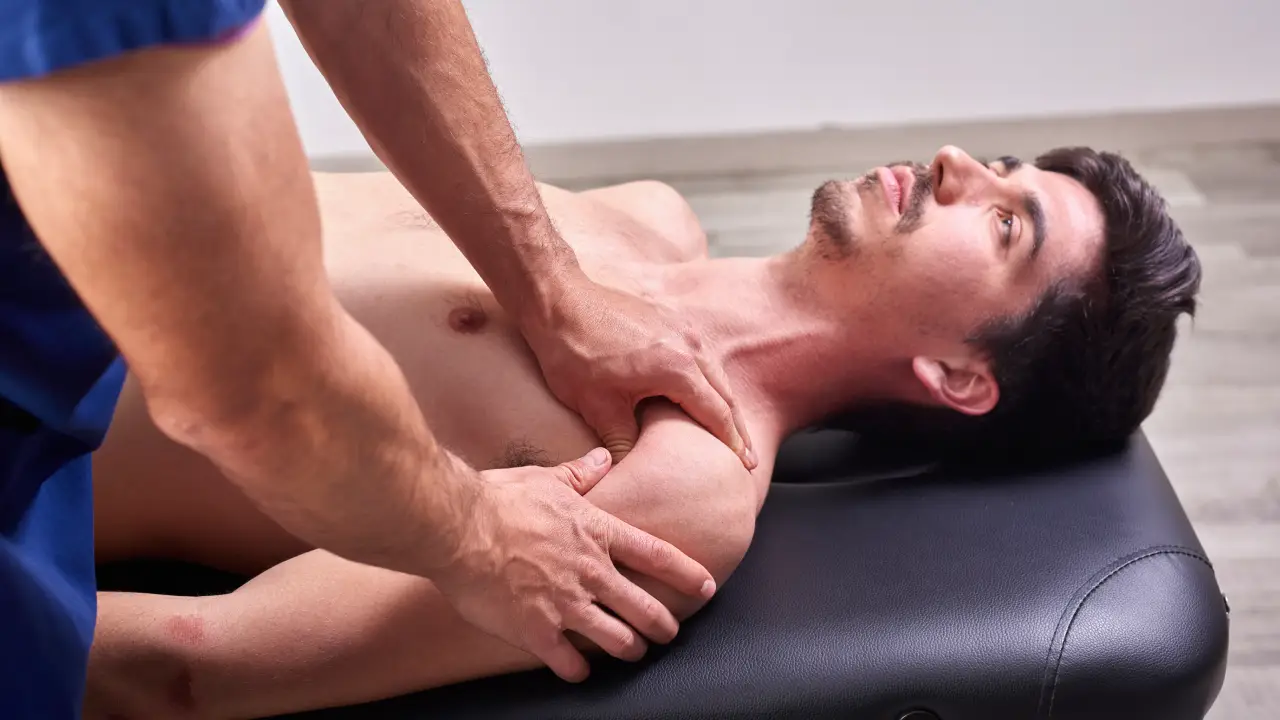
Myofascial therapy release plays a growing role in modern rehabilitation settings, especially for people dealing with movement limits and persistent tissue tension. This approach focuses on the fascial system, a network of connective tissue that influences Posture, joint motion, and muscular coordination. In a clinical environment, myofascial therapy release supports structural balance by addressing restrictions that develop through repetitive strain, injury, or prolonged inactivity. For individuals in Ajax seeking practical rehab care, this method often becomes a key part of restoring functional movement patterns.
One of the first structural changes seen with myofascial therapy release involves the sliding capacity between fascial layers. Fascia typically allows muscles and surrounding tissues to move freely. When stiffness develops, these layers lose their ability to glide. This creates pulling forces that can alter alignment and strain nearby structures.
Through sustained manual pressure and controlled tissue engagement, myofascial therapy release encourages fascial layers to resume smoother interaction. Over time, this supports more natural joint motion and reduces compensatory patterns that often appear during daily activities. This structural shift can influence how the body distributes load during walking, lifting, and transitional movements.
Another crucial structural outcome of myofascial therapy release is a change in tissue density. Areas affected by injury or repetitive use often develop dense, rigid fascial bands. These regions restrict movement and disrupt routine muscular sequencing.
By applying gradual pressure, clinicians target these dense zones and promote tissue softening. Myofascial therapy release allows the fascia to adapt, creating space within compressed regions. As tissue density decreases, muscles can contract and lengthen more efficiently. This change supports smoother movement and reduces structural strain placed on neighbouring joints.
Posture relies heavily on balanced tension throughout the fascial network. When one region tightens, the body often compensates elsewhere, leading to misalignment. Myofascial therapy release addresses these imbalances by focusing on the source rather than the symptom.
As restricted fascia releases, the body begins to reorganize its structural positioning. This may appear as improved spinal stacking, more even shoulder height, or better pelvic positioning. These adjustments support long-term joint health and contribute to efficient movement during work and recreational tasks. Many rehab clients notice postural changes gradually as sessions progress.
Joints depend on surrounding soft tissue to guide their range and control. When fascia tightens, it can limit how far a joint moves, even when muscles themselves remain flexible. Myofascial therapy release influences joint mechanics by restoring balance to the connective tissue that supports motion.
As fascial restrictions ease, joints often move through a fuller, more controlled range of motion. This structural change supports coordination and reduces uneven stress placed on cartilage and ligaments. In a rehab setting, this can improve tolerance for strengthening exercises and functional training without overloading vulnerable areas.
The final structural change linked to myofascial therapy release involves how the body distributes physical load. When fascial tension pulls unevenly, specific muscles and joints absorb more force than intended. Over time, this can contribute to overuse patterns and recurring strain.
By restoring balance within the fascial system, myofascial therapy release supports more even load sharing during movement. This allows the body to work as a connected system rather than isolated parts. For people returning to work duties, sports, or daily routines, this structural shift plays a significant role in sustainable movement capacity.
Structural changes do not happen in isolation. They influence how the body moves, adapts, and responds to physical demand. Myofascial therapy release supports these changes by addressing connective tissue health, which often receives less attention than muscles or joints alone. In a rehab environment, this approach complements exercise therapy and movement retraining by preparing tissues for active use.
People in Ajax often seek rehab care not only to address current discomfort but also to improve how their body functions moving forward. Myofascial therapy release supports this goal by creating structural conditions that allow movement strategies to evolve naturally. When fascia adapts, the entire system benefits.
The effectiveness of myofascial therapy release depends on clinical assessment, skilled application, and integration with other rehab strategies. Our experienced team focuses on observing movement patterns, identifying structural contributors, and applying hands-on care with purpose. This allows each session to support measurable change rather than temporary shifts.
In the final stages of care, many clients recognize how myofascial therapy release influences their overall movement quality. When combined with education and progressive activity, these structural changes support Confidence in daily movement. At Neurosync Physiotherapy & Rehab, individuals in Ajax often view this approach as a clear path to restoring their body’s overall function.
If movement limits or ongoing tissue tension are affecting your daily routine, consider exploring myofascial therapy release in a structured rehab setting. Connecting with a qualified clinic in Ajax can help you understand how this approach fits into your recovery plan and supports safer, more efficient movement over time. Book an assessment and start addressing the root factors influencing how your body moves.