Aug
10
2026

A workplace injury can affect much more than your ability to complete a shift. It may make everyday tasks harder, create uncertainty about returning to work, and leave you unsure about what steps to take next. For workers in Ajax and surrounding communities, choosing the right rehabilitation setting can make the process easier to navigate.
A WSIB clinic can provide care within the Workplace Safety and Insurance Board framework while helping injured workers work toward their functional goals. From an initial assessment to rehabilitation exercises and return-to-work planning, the process can focus on restoring movement, building strength, and preparing for daily and workplace activities.
At Neurosync Physiotherapy and Rehab, workers can access physiotherapy and rehabilitation services in Ajax with care focused on their injury, functional needs, and workplace requirements.
Here are seven reasons workers may choose a WSIB clinic for injury support.
A workplace injury can involve treatment, claim information, workplace communication, and return-to-work planning. Choosing a WSIB clinic keeps physiotherapy connected to the injury claim, making it easier to discuss symptoms, activity limits, treatment progress, and job-related needs. The clinic can also assess how the injury affects work tasks such as lifting, walking, bending, or reaching.
Workplace injuries can affect workers differently based on their job duties and daily activities. At a WSIB clinic, assessments may review strength, mobility, balance, coordination, and movement. This helps identify challenges with tasks such as lifting, sitting, climbing, bending, or carrying and supports rehabilitation focused on workplace needs.
Workplace injury recovery can involve several stages, from restoring movement to building strength and work-related function.
A WSIB clinic can provide physiotherapy, mobility exercises, strengthening, balance training, and functional activities based on the worker’s needs.
As progress develops, the rehabilitation plan can be adjusted to support changing abilities and workplace goals.
For many injured workers, returning to work is an important part of recovery. However, returning too quickly without considering functional capacity may create additional challenges.
A WSIB clinic can consider the physical and functional requirements of the worker’s role when planning rehabilitation.
This may involve identifying tasks that currently create difficulty and gradually working toward the movements or activities required for the job.
Depending on the circumstances, rehabilitation may focus on activities such as
The aim is to help the worker progress toward the functional demands of their role while taking their current abilities into account.
Return-to-work planning can also involve communication around restrictions or modified duties when applicable.
Attending regular rehabilitation appointments can be easier when the clinic is close to home, work, or other daily commitments.
For workers in Ajax, a nearby WSIB clinic can make it more practical to attend scheduled physiotherapy sessions consistently.
Workers may also receive exercises and activity recommendations to continue their rehabilitation between appointments, supporting steady progress.
Workplace injury rehabilitation may involve communication between the worker, physiotherapist, workplace, and WSIB.
A WSIB clinic can track changes in mobility, strength, function, and work-related abilities while keeping relevant rehabilitation information organized.
Clear communication also gives workers a chance to discuss challenges with specific tasks or concerns about progressing at work.
Work is only one part of daily life. A workplace injury can also affect household responsibilities, recreation, commuting, sleep positions, and routine activities.
A WSIB clinic can take these functional concerns into account while working on rehabilitation goals.
For example, a worker with a lower-body injury may have difficulty walking, using stairs, or getting in and out of a vehicle. Someone with an upper-body injury may struggle with dressing, reaching, carrying groceries, or performing household tasks.
Physiotherapy can focus on restoring the physical abilities needed for these activities while also considering the demands of the worker’s job.
This functional approach can help connect rehabilitation exercises with real-life activities rather than treating exercise as an isolated part of care.
The recovery process following a workplace injury can involve assessment, physiotherapy, exercise, activity progression, and communication about work duties.
A WSIB clinic can support this process by bringing these elements together within a workplace injury rehabilitation setting.
The process may begin with an assessment of the injury and its effect on movement and function. The physiotherapist can then identify areas that need attention and establish rehabilitation goals.
Treatment may include physiotherapy techniques, therapeutic exercise, mobility work, strengthening, balance activities, and functional training. The specific approach depends on the injury, symptoms, physical findings, and workplace demands.
As progress occurs, the rehabilitation program can be adjusted. Exercises may become more challenging, activities may become more functional, and work-related movements may gradually be incorporated.
Communication is another part of the process. Workers can discuss changes in their condition, challenges with exercises, and difficulties with workplace tasks during appointments.
The process can therefore provide a practical structure for moving from injury toward greater functional capacity.
If you are attending physiotherapy for a workplace injury, it can be useful to have relevant claim information and details about your job duties available.
You may want to note:
Providing clear information can help the physiotherapist understand your situation and assess how the injury affects your daily and workplace activities.
Neurosync Physiotherapy and Rehab provides physiotherapy and rehabilitation services for workers dealing with workplace injuries in Ajax.
The clinic can help workers navigate rehabilitation through assessment, exercise-based care, functional training, and progress monitoring.
Each workplace injury has its own circumstances. A worker’s job demands, injury, physical abilities, and current limitations can all affect the rehabilitation process.
The team at Neurosync Physiotherapy and Rehab can work with workers as they progress through their rehabilitation and address functional goals connected to everyday and workplace activities.
If you have experienced a workplace injury and are looking for physiotherapy in Ajax, contacting the clinic can be a practical first step toward learning what services may be available for your situation.
A WSIB clinic is a physiotherapy or rehabilitation clinic that works with workers who have workplace injuries covered through the Workplace Safety and Insurance Board. Care may involve assessment, physiotherapy, exercise, functional training, and return-to-work planning.
Workers in Ajax may be able to access physiotherapy and rehabilitation services for eligible workplace injuries. Claim circumstances can vary, so workers should provide their claim information and discuss their situation with the clinic.
The physiotherapist may review the injury, symptoms, movement, strength, mobility, functional limitations, and workplace requirements. This information can help establish appropriate rehabilitation goals and treatment activities.
Physiotherapy may help address physical limitations that affect workplace activities. Treatment can include strengthening, mobility exercises, functional training, and activity progression based on the worker’s abilities and job requirements.
Workers can contact Neurosync Physiotherapy and Rehab in Ajax to discuss their workplace injury and available rehabilitation services. Having relevant WSIB claim information and details about your work duties can help the clinic understand your situation.
A workplace injury can create questions about treatment, daily activities, and returning to your job. Getting connected with a physiotherapy clinic can provide a structured place to discuss your injury and rehabilitation needs.
If you are looking for workplace injury physiotherapy in Ajax, contact Neurosync Physiotherapy and Rehab to discuss your situation and learn about the next steps for your rehabilitation.
May
20
2026

That dull stiffness you keep ignoring doesn’t stay harmless for long. It slowly builds, spreads, and begins to interfere with simple movements, turning your day into a constant struggle. Many people only seek Myofascial Therapy Release when discomfort begins to affect sleep, work, or even basic Mobility.
What starts as a small, tight spot can quietly turn into something much harder to manage. If your body keeps sending signals, ignoring them can make recovery more difficult and prolong discomfort.
Myofascial Therapy Release focuses on easing tension within the fascia, the connective tissue surrounding muscles. When this tissue tightens, it can restrict movement and cause deep, persistent discomfort.
People rarely think about this until:
That’s usually when Myofascial Therapy Release becomes relevant: when everyday discomfort stops being occasional and becomes constant.
What feels minor today can become more disruptive over time. Muscle tightness doesn’t stay isolated; it layers and compounds.
Common reasons include:
Without proper attention, these patterns increase pressure in surrounding tissues. This is where myofascial therapy release for muscle tightness often becomes necessary to address deeper restrictions.
Your body rarely stays silent. It sends that are subtle signals at first, then becomes harder to ignore.
You stretch, rest, or move around, but the stiffness always returns.
What started in your neck now affects your shoulders or back.
Turning your head, bending, or reaching feels restricted.
These may indicate that myofascial therapy release for trigger points is needed.
Especially common with desk work or repetitive movements.
Walking, lifting, or even sleeping becomes uncomfortable.
This is often when people explore Myofascial Therapy Release as a next step.
These signs may seem manageable at first, but they often signal deeper tissue restrictions.
Delaying action doesn’t pause the problem; it allows it to build.
Over time, you may notice:
For many, this is when myofascial therapy release for chronic pain becomes necessary, as the issue has already progressed beyond the early stages.
Addressing these issues involves more than quick fixes. A structured approach helps target the root of the problem.
A detailed evaluation identifies restricted areas and movement limitations.
Hands-on methods help reduce tension in affected tissues using Myofascial Therapy Release principles.
Adjusting posture and movement patterns reduces the risk of repetitive strain.
Exercises support long-term function and reduce the risk of recurrence.
Many people notice improved flexibility and reduced stiffness after consistent sessions, highlighting the benefits of myofascial therapy release when applied correctly.
Small decisions can make a big difference in how quickly discomfort progresses.
By the time these habits catch up, Myofascial Therapy Release often becomes necessary rather than optional.
In Ajax, daily routines often involve long commutes, desk work, or regular workouts. These patterns repeatedly stress muscles and connective tissues.
Whether it’s:
These activities can gradually increase tension in the body. Over time, this leads many people to consider Myofascial Therapy Release when stiffness begins to limit their routine.
If stiffness or discomfort keeps returning and affects movement, it may be time to consider Myofascial Therapy Release.
Yes, especially when tightness has built up over time and hasn’t responded to basic stretching or rest.
This depends on how long the issue has been present and how the body responds to care.
In most cases, you can book directly without a referral.
It can target multiple regions, including the neck, back, shoulders, hips, and legs.
Ignoring persistent stiffness or discomfort can gradually limit how you move, work, and function each day. What feels manageable now can become harder to deal with if left unaddressed.
If you’re noticing ongoing tightness, restricted movement, or spreading discomfort, it may be time to take the next step with Myofascial Therapy Release.
You can book an assessment at Neurosync Physiotherapy and Rehab, located at 314 Harwood Ave S Unit 4, Ajax, ON L1S 2J1, Canada.
Take action before small issues turn into bigger limitations. Call or visit today to get started.
Jan
12
2026

Back discomfort is one of the most common reasons people adjust their daily routines, skip activities they enjoy, or struggle through long workdays. Whether it comes from prolonged sitting, repetitive lifting, or limited movement variety, the spine often reacts to how it’s used—or not used—throughout the day. At Neurosync Physiotherapy & Rehab, many clients from Ajax ask about exercises that support spinal health and day-to-day comfort.
Below are five movement-based exercises commonly used in clinical settings to support the back. They focus on Mobility, control, and muscular support rather than intensity. Always move within a comfortable range and stop if something feels wrong.
The Cat–Cow movement encourages controlled spinal motion. It gently moves the spine through flexion and extension, which can help reduce stiffness linked to long periods of sitting.
How to do it:

This exercise is often used early in a routine because it promotes awareness of spinal movement without loading the joints.
The glute bridge targets the muscles around the hips and pelvis. These muscles play a major role in supporting the lower back during standing, walking, and lifting.
How to do it:

When the hips provide steady support, the lower back often works less during daily movement.
Bird Dog focuses on coordination and trunk control. It challenges the body to stay steady while the arms and legs move, which mirrors real-world activities like reaching or stepping.
How to do it:

This exercise is commonly used to improve control around the spine without adding external weight.
Limited rotation through the mid-back can cause the lower back to compensate during turning movements. Seated spinal rotation encourages motion where it’s meant to occur.
How to do it:

This movement is useful for people who feel stiff when turning to check blind spots or reaching out to the side.
Tight hip flexors can affect pelvic position, potentially increasing strain on the lower back. Stretching this area helps restore balance between the hips and spine.
How to do it:

Consistency with this stretch is often useful for those who sit for extended periods.
Exercises alone are only one part of maintaining a healthy back. How you sit, lift, sleep, and move throughout the day also matters. Many people in Ajax balance desk work with commuting, family responsibilities, and recreational activities, which can add up over time. Short movement breaks, varied positions, and mindful pacing can complement the exercises above.
At Neurosync Physiotherapy & Rehab, exercise selection is often based on how someone moves, which activities matter most to them, and how their body responds over time. While general exercises can be helpful, supervision ensures they are performed correctly and progressed safely.
A resilient back depends on movement quality, consistency, and balance between strength and Mobility. The five exercises above are commonly used to support spinal function and reduce strain during everyday tasks. When practiced regularly and combined with thoughtful daily habits, they can play a meaningful role in keeping the back comfortable and active.
If back concerns continue or interfere with normal routines, a structured assessment can help clarify what the body needs next.
Physiotherapy clinic
Chiropractic clinic
Massage therapy
Myofascial therapy release
WSIB clinic
Motor vehicle accident clinic
Concussion management
Sep
15
2025
Staying active is one of the best ways to maintain health, boost energy, and enjoy life. Whether you play competitive sports, jog on weekends, or take part in recreational activities, movement is essential. But with activity comes the risk of injury. Strains, sprains, joint issues, and overuse injuries are common among athletes and fitness enthusiasts. That’s why choosing the right physiotherapy clinic in Ajax can make all the difference.
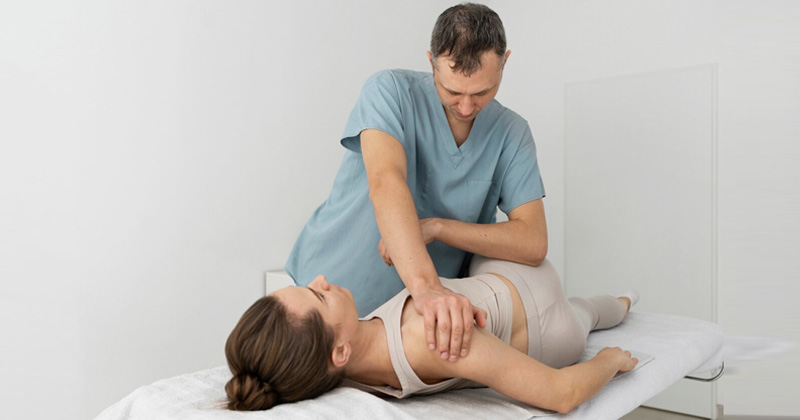
Sports injuries don’t just affect your physical performance—they can also impact your Confidence and daily routine. Proper treatment ensures faster recovery, prevents further damage, and helps you return to the activities you love. This article explains how physiotherapy clinics support recovery, the methods they use, and why athletes in Ajax rely on them for long-term results.
Sports injuries happen when muscles, ligaments, or joints are stressed beyond their standard capacity. Some of the most common conditions include:
While some injuries may seem minor, untreated problems can become chronic. That’s why seeking care from a physiotherapy clinic in Ajax ensures proper healing, minimizes long-term risks, and restores your mobility safely.
Physiotherapy is one of the most effective approaches to sports injury recovery because it addresses the root cause rather than merely masking symptoms. The benefits include:
Physiotherapists use detailed assessments to understand the nature of the injury and create customized recovery plans.
Through manual therapy, exercise, and targeted treatments, pain can be reduced naturally without relying on painkillers.
A personalized program at a physiotherapy clinic in Ajax helps restore strength, flexibility, and mobility, ensuring a quicker return to sports.
Therapists teach proper movement patterns, strengthening techniques, and preventive strategies to reduce the risk of reinjury.
Physiotherapy not only strengthens the injured area but also the supporting muscles and joints, thereby improving overall performance.
Recovery from sports injuries involves multiple phases. A professional physiotherapy clinic in Ajax guides patients through each stage:
Following these stages ensures complete recovery and reduces the likelihood of long-term problems.
Sports injury rehabilitation uses a combination of modern techniques and hands-on care:
These techniques, when applied consistently, help patients return to sports stronger and more resilient.
A physiotherapy clinic in Ajax treats a wide variety of sports-related issues, including:
Regardless of the condition, physiotherapy provides targeted care that helps athletes recover safely and effectively.
An often-overlooked benefit of physiotherapy is its preventive role. Therapists educate athletes on:
By learning these skills, athletes lower their risk of recurring injuries and enjoy sports with fewer interruptions.
For many patients, combining therapies enhances recovery. Alongside physiotherapy, other services play a vital role:
This integrated approach allows patients to receive comprehensive care under one umbrella.
Your first visit to a physiotherapy clinic in Ajax generally includes:

The experience is patient-centred, ensuring you feel supported at every stage of recovery.
Physiotherapy offers much more than temporary Relief. Over time, athletes benefit from:
By focusing on long-term wellness, a physiotherapy clinic in Ajax ensures athletes can perform at their best for years to come.
Local clinics are equipped with skilled therapists who understand the demands of sports. They combine advanced knowledge with personalized attention to provide effective treatment. Whether recovering from a sprain, a significant injury, or looking to prevent future issues, choosing a physiotherapy clinic in Ajax ensures reliable care.
Sports injuries can be frustrating, but with the proper care, they don’t have to limit your lifestyle. A physiotherapy clinic in Ajax offers proven treatments that speed up recovery, restore mobility, and prevent reinjury. By integrating advanced techniques, personalized plans, and supportive services, physiotherapy helps athletes return to their activities stronger than ever.